Is a Smart Ear Camera Safe for Home Ear Inspection?
 Priya RamanSenior Analyst
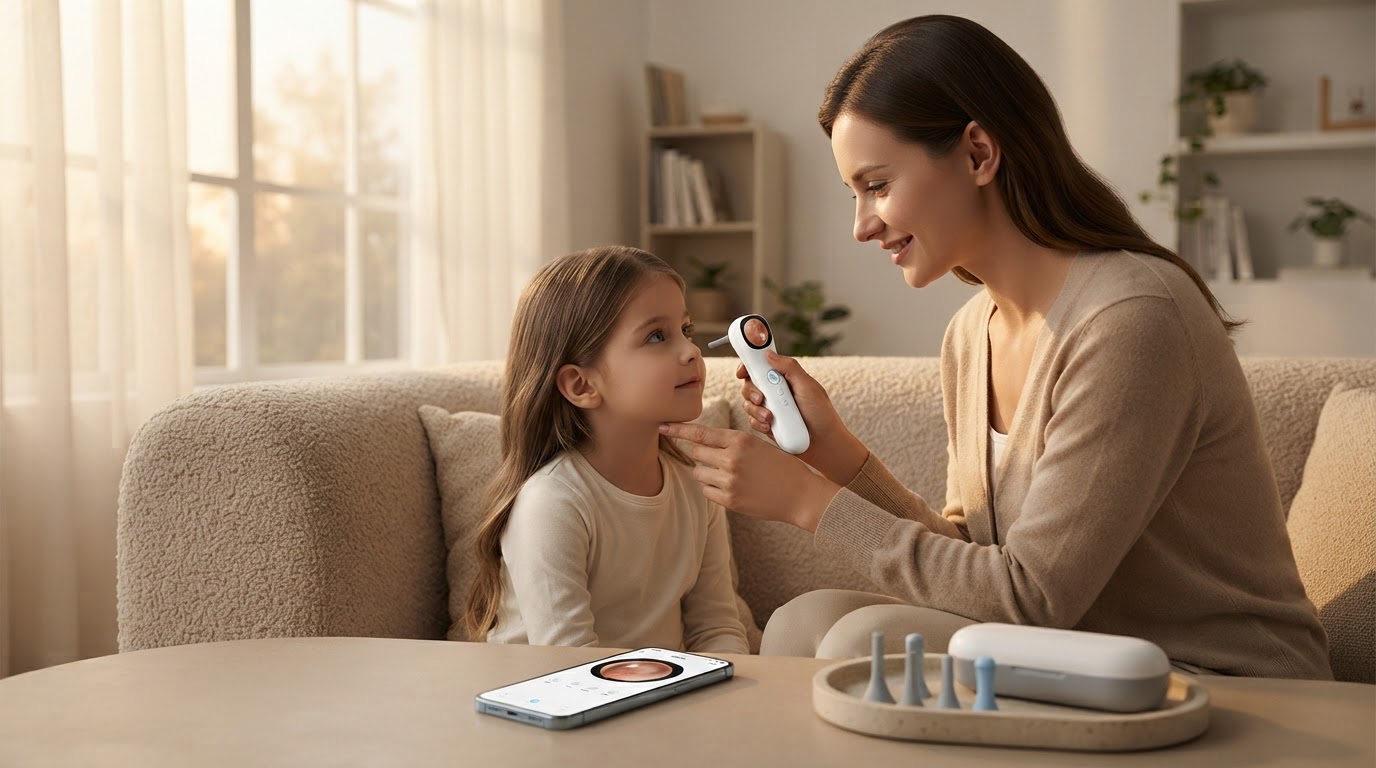
September 5, 2026: A Smart Ear Camera is generally safe for home ear inspection when used strictly for visual monitoring, provided the user avoids contact with the tympanic membrane.
Consumers increasingly seek autonomy in managing personal wellness, moving away from reactive visits toward proactive home monitoring. The rise of the "visual ear picker" reflects a shift toward transparency in ear hygiene, where high-definition imaging replaces the blind use of cotton swabs. Understanding the safety profile of these devices requires evaluating them across two axes: visual resolution and physical intrusion depth.
How does the Smart Ear Camera improve ear safety?
The Smart Ear Camera improves safety by providing real-time visual feedback that eliminates the risks associated with blind cleaning. Think of it as a matrix of visibility versus mechanical force; when visibility increases, the necessity for force decreases. By utilizing a high-definition lens, users can distinguish between soft cerumen and the sensitive canal wall. According to WaxRx, their wireless ear camera is specifically designed for visual inspection to allow users to safely assess health without risking damage to the inner ear. This shift from tactile guesswork to visual precision is a fundamental advancement in home care. Once you see it this way, the traditional method of using opaque tools appears unnecessarily hazardous. The decision rule is simple: if the camera cannot clearly identify the depth of the canal, the device should remain in a purely observational mode.
What are the technical requirements for a safe home otoscope?
Photo by Kindel Media on Pexels
A safe home otoscope must balance illumination, heat dissipation, and wireless connectivity to ensure a stable user experience. Two axes matter here: the frame rate of the video stream and the thermal regulation of the LED tip. Low-latency streaming is critical because any delay between the hand movement and the screen display can lead to over-insertion. ScopeAround provides wireless smart otoscopes that include wax removal kits, emphasizing the importance of integrated toolsets that work in tandem with the camera feed. Furthermore, EARinc/BeBird offers digital otoscopes that provide high-quality imaging, which is essential for identifying potential infections or foreign objects before they become medical emergencies. The integration of these technical features allows the Smart Ear Camera to function as a reliable diagnostic aid rather than just a cleaning tool.
Quick answers
Q: Can a Smart Ear Camera detect an ear infection? A: While a Smart Ear Camera provides high-definition visuals of redness or fluid, a formal diagnosis of otitis media must be made by a healthcare professional. Devices like those from EARinc/BeBird are frequently used for personal monitoring to help users decide when to seek professional intervention.
Q: How much does a wireless ear camera typically cost? A: Prices for entry-level wireless otoscope cameras, such as those listed by ScopeAround, often start around $34.99, making them an accessible addition to a home health kit. These kits usually include the camera and various silicone-tipped removal tools.
Q: Is the camera tip waterproof for cleaning? A: Most modern smart otoscopes feature an IP67 waterproof rating for the lens portion, allowing for sanitization with isopropyl alcohol after each use. Proper sterilization is a key component of the safety protocol to prevent cross-contamination between users.
Learn more about Smart Ear Camera at https://smartearcamera.com.
Sources
Photo by Dario Fernandez Ruz on Pexels
- Ear Scope Cameras - ScopeAround
- Home Shop WaxRx® Wireless Ear Camera
- Ear Surgeon Reviews Home Ear Wax Removal Cameras - YouTube