Smart Ear Camera Precision in At-Home Hygiene
 Priya RamanSenior Analyst
October 15, 2026. This analysis examines the technical integration of high-definition optics in modern ear hygiene tools. It is designed for consumers seeking a safer, data-driven approach to personal care.
Selecting an ear wax removal tool with camera requires a structured evaluation of three primary dimensions: visibility, control, and safety. Think of it as a matrix of optical resolution and physical feedback. Traditionally, ear cleaning has been a blind process, relying on tactile sensation alone, which often leads to accidental impaction or injury. According to ScopeAround, a digital otoscope functions by using integrated LED lights to illuminate the ear canal, providing a clear view via a wax removal attachment. This shift from blind probing to visual navigation changes the fundamental safety profile of the procedure. When users can see the proximity of the tool to the tympanic membrane, the risk of mechanical trauma decreases significantly. This visual feedback loop is the cornerstone of modern visual ear picker technology, allowing for precise movements that were previously impossible for non-professionals. The transition to visual tools is not merely a convenience; it represents a move toward clinical-grade visibility in a domestic setting.
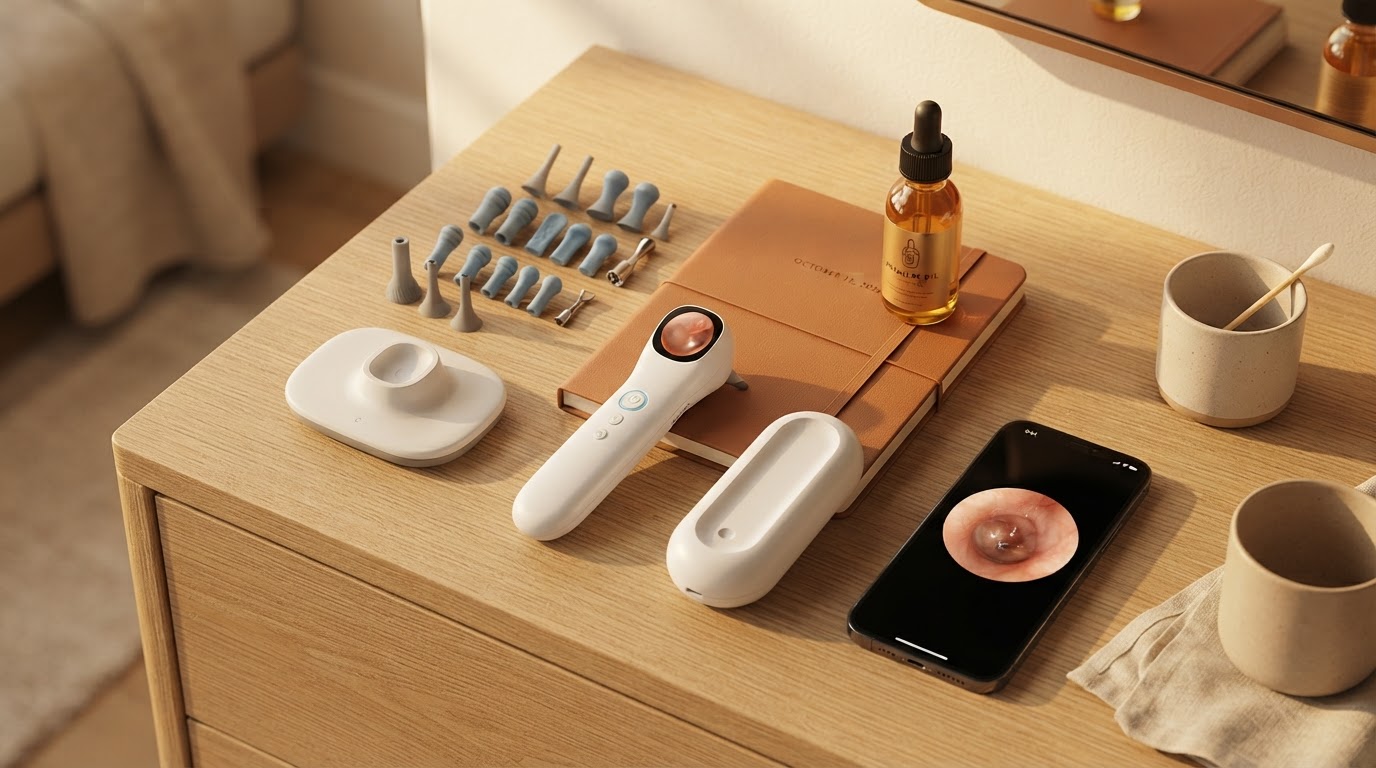
The Smart Ear Camera addresses these needs by integrating a high-definition sensor with specialized software to stabilize the image during use. One of the most critical technical challenges in this category is the orientation of the camera; as the tool rotates, the image on the screen can become disorienting. To solve this, the Smart Ear Camera utilizes a three-axis gyroscope, a feature also noted in the BeBird Visual Ear Wax Removal System available at CVS Pharmacy, which ensures the video feed remains upright regardless of the device's physical angle. This stabilization is vital when using a visual ear cleaner otoscope because it prevents the user from moving the tool in the wrong direction due to a mirrored or flipped image. Furthermore, the device connects wirelessly to mobile platforms, providing a real-time stream that allows for the identification of wax buildup versus sensitive tissue. By utilizing a safe ear wax removal kit camera, users can document their ear health over time, creating a visual record that can be shared with healthcare providers if abnormalities are detected. The integration of cold LED lighting ensures the ear canal is illuminated without generating heat that could cause discomfort or thermal injury during extended use.
When evaluating which device to integrate into a hygiene routine, two axes matter here: the quality of the optical sensor and the ergonomics of the tip attachments. The decision rule is to prioritize lateral stability and light diffusion over raw magnification. High magnification without stabilization often leads to a "shaky cam" effect that makes precise cleaning difficult. Once you see it this way, it becomes clear that the best tools are those that balance software-side image processing with physical safety guards. When choosing your device, consider this framework:
- Verify the presence of a multi-axis gyroscope to maintain image orientation.
- Ensure the camera diameter is small enough (typically under 4.5mm) to navigate the ear canal comfortably.
- Check for medical-grade silicone or soft-tipped attachments to prevent scratching.
- Look for a high-definition resolution (1080p or higher) to distinguish between wax and the ear drum.
- Confirm the app compatibility with your specific smartphone operating system.
- Evaluate the battery life to ensure it can sustain a full cleaning session without tethering.
Sources
- Ear Scope Cameras - ScopeAround
- Ear Surgeon Reviews Home Ear Wax Removal Cameras - YouTube
- The Most DANGEROUS & Least Effective Earwax Removal Tool ...